 (718) 761-5544 |
  matthewfh@matthewfuneralhome.com |
  2508 Victory Boulevard, Staten Island, NY 10314



Firefighter Funeral Services
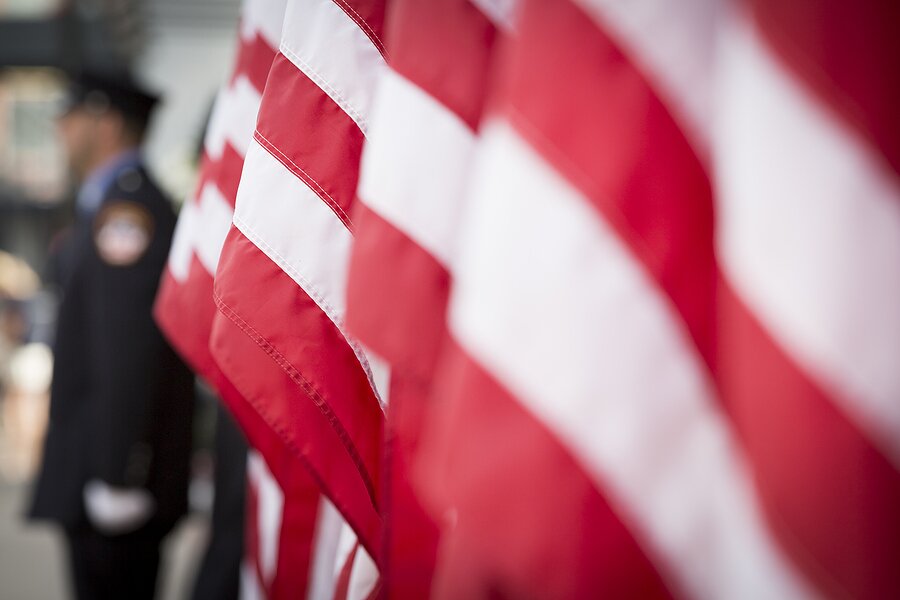
When a firefighter passes away, there are often special practices associated with their funeral services. This is especially true if they died in the line of duty. Below, we will discuss the different types of fire department honors for funeral services, and what you might expect.
Type 1: Line-of Duty
Type 1 funeral services refer to an individual who suffered from a trauma during an active scene or an injury that causes a decline in health that results in death. This is the highest honor that a fallen fire personnel can receive. The honor is often accompanied by a formal funeral service, including Class A uniforms, a color guard, bagpipers, and more. Crossed ladders and other ceremonial decorations are often employed at the funeral home, church, or gravesite. Fire service vehicles may be employed in the funeral procession.
Type 2: Line of Duty
Type 2 funeral honors are reserved for on-duty personnel that suffers from trauma or injury on the job which results in a gradual decline of health leading to death. Formal funeral services and honor guards, as those described in Type 1, are often utilized during a Type 2 service.
Type 3: Off-Duty Incident
Type 3 funeral services are granted to personnel involved in an off-duty incident that leads to either rapid or gradual deterioration of health. For these conditions, semi-formal services are employed. These include Class A uniforms, a color guard, and Class A uniforms. However, deployment of firetrucks a crossed ladders is not typical of Type 3 and beyond services.
Type 4: Current or Past Member
Type 4 services are granted to a member or honorary member of the department who is active or retired. It may also be granted to volunteer personnel. Generally, Current members would receive semi-formal services, as described in Type 3. However, retirees receive non-formal services. Non-formal services will still include a color guard and Class A uniforms.
Type 5: Affiliate of the Department
An affiliate’s service is for those who have served the department to some degree but were generally not active firefighters. This may include a Chief, dispatcher, or commissioner. Type 5 services usually receive non-formal fire department funeral services.
Type 6: Non-Fire Fighting Individual
Type 6 services extend to immediate family members, volunteers, or someone with other professional ties to a fire station. This is for secondary members of the station. Type 6 individuals are granted non-formal service benefits.
For over 50 years, Matthew Funeral Home has been serving the Staten Island community. We can help with almost every aspect of your loved one’s memorial service. Our family is here to serve yours, every step of the way.
Previous Posts
Losing a Sibling
5 Goals of Pre-Planning a Funeral
What is Grief Journaling?
Choosing The Right Grief Counseling Option for You
Delivering a Eulogy - Public Speaking Tips
Grief and Routines - Back to School
What to do if Someone Dies at Home
Interfaith Services at a Wake
What Does a Funeral Director Do?
What to do With Your Loved One's Ashes
Bereavement Services


Social Media

2508 Victory Boulevard,
Staten Island, NY 10314
Contact Us Day Or Night
 (718) 761-5544
 matthewfh@matthewfuneralhome.com
Comments